How Civil & Small Claims Process Serving Works in California
Civil and small claims cases move forward only when a neutral third party serves papers correctly. Therefore, understanding California service rules helps you avoid delays, rejected filings, and unnecessary re-service.
What Is Civil Process Serving?
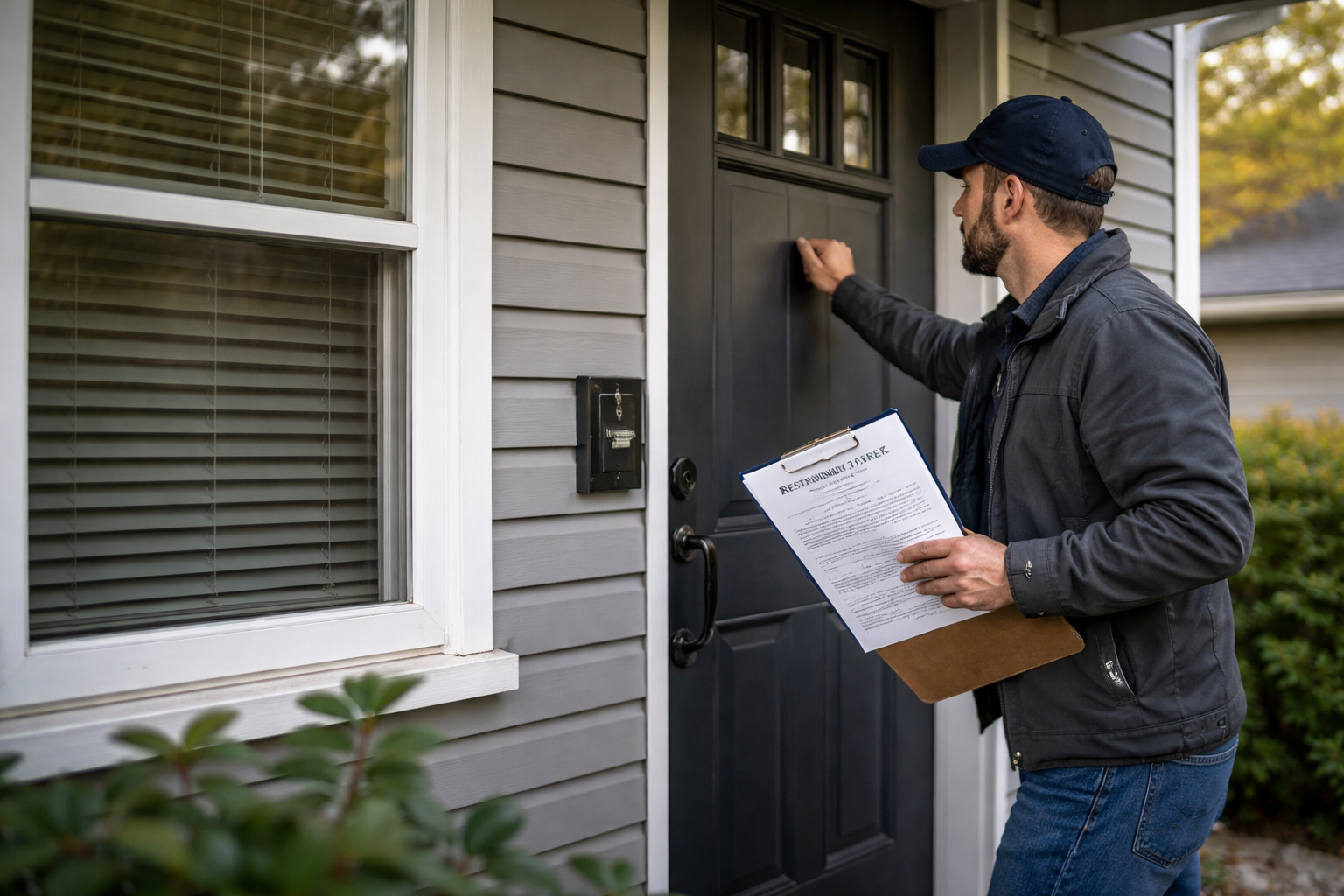
Civil process serving means a neutral third party delivers legal documents that notify a person or business about a lawsuit or court action. In other words, the process server gives the defendant or respondent formal notice so the court can move the case forward.
Common civil documents include Summons and Complaint, small claims forms, motions and orders, and subpoenas in civil matters. However, if you serve papers incorrectly, the court may delay the case, dismiss it, or require you to serve everything again.
Small Claims vs. Civil Cases: What’s the Difference?
Both small claims and general civil cases require proper service. However, they follow different procedures and create different risks if someone challenges service.
Small Claims Cases
Small claims cases usually involve self-represented parties and lower dollar amounts. As a result, the process is more streamlined, but deadlines remain strict and the court expects timely service before the hearing date.
Civil Cases (Limited & Unlimited)
Civil cases often involve attorneys, formal pleadings, and motion practice. In addition, these cases receive higher procedural scrutiny, so defendants more frequently challenge service. Therefore, you must follow California service rules precisely.
Who Can Serve Legal Papers in California?
California allows a registered professional process server, a county sheriff, or any adult (18+) who is not involved in the case to serve legal papers. That said, the court still expects accuracy, no matter who completes service.
Because professional process servers work with these rules every day, they typically reduce errors, document attempts properly, and provide court-ready Proof of Service. As a result, many attorneys and self-represented plaintiffs choose professional service to protect the case timeline.
How Civil Process Serving Works (Step-by-Step)
1. Document Preparation
First, confirm the forms are complete, accurate, and court-approved. For example, verify names, addresses, case numbers, and required attachments before you start.
2. Selecting a Server
Next, choose a neutral third party who understands California service requirements. In addition, confirm the server can document attempts and complete the correct Proof of Service form.
3. Service Attempt(s)
Then, the server attempts delivery at a lawful location such as a residence or workplace. At the same time, the server should avoid escalation and follow all applicable rules for the specific document type.
4. Completion of Service
If the server reaches the recipient, the server completes service using an approved method. Therefore, the method must match what California law permits for that case and document type.
5. Proof of Service
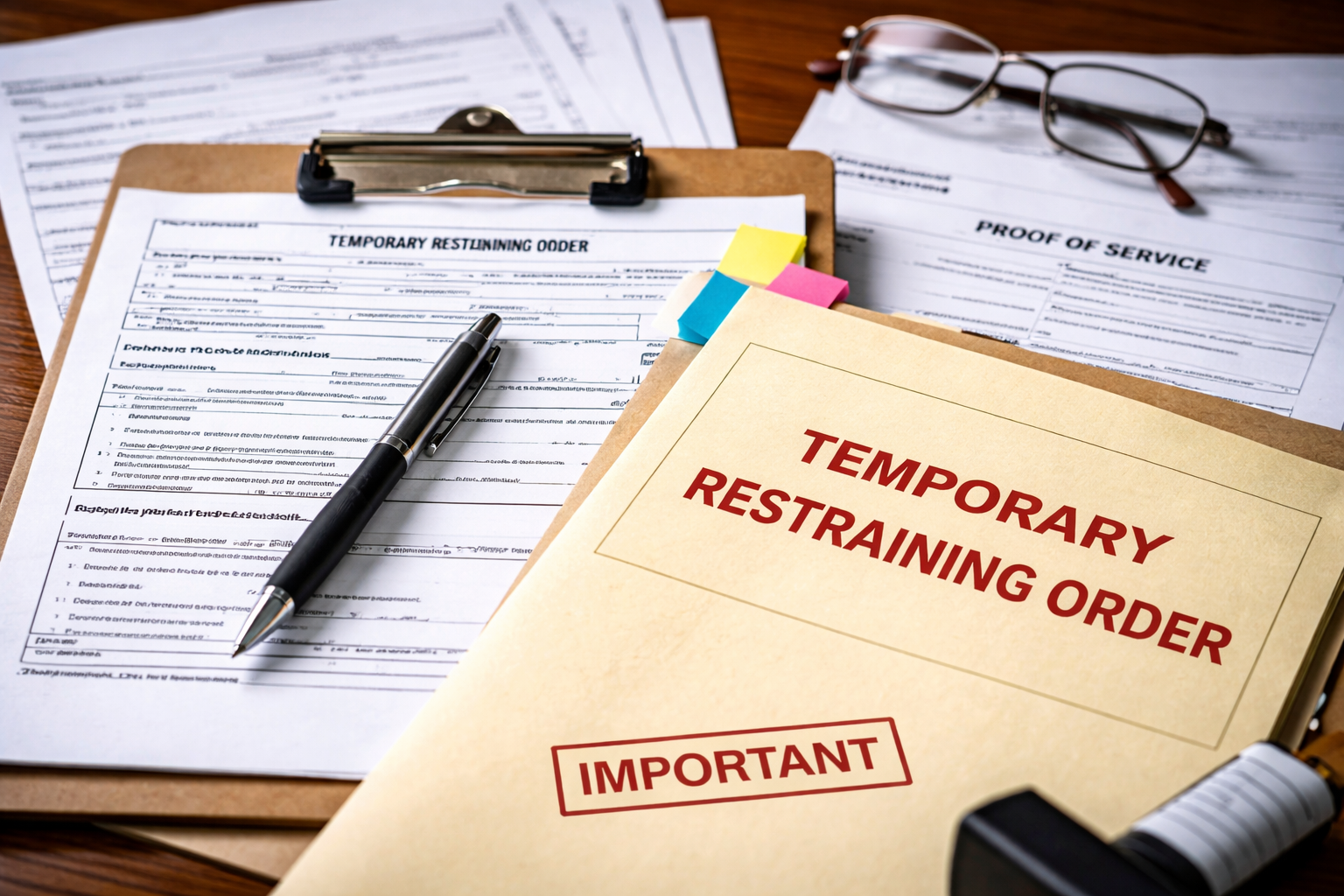
After service, the server completes a sworn Proof of Service that states when service occurred, where it occurred, how it happened, and who performed it. As a result, the court can confirm service and proceed.
Service Methods Allowed in California
California allows several service methods. However, not every method applies to every case. Therefore, choosing the correct method protects you from challenges and delays.
Personal Service
With personal service, the server hands the documents directly to the recipient. In most situations, this method provides the strongest proof and reduces disputes.
Substituted Service
When personal service is not possible, the server may leave the documents with a responsible adult at the recipient’s home or workplace and then mail copies as required. As a result, substituted service still provides valid notice when done correctly.
Service by Mail
In limited situations, the law allows service by mail, often with an acknowledgment process. However, if the recipient does not cooperate, service by mail may fail and you may need another method.
Timelines for Civil & Small Claims Service
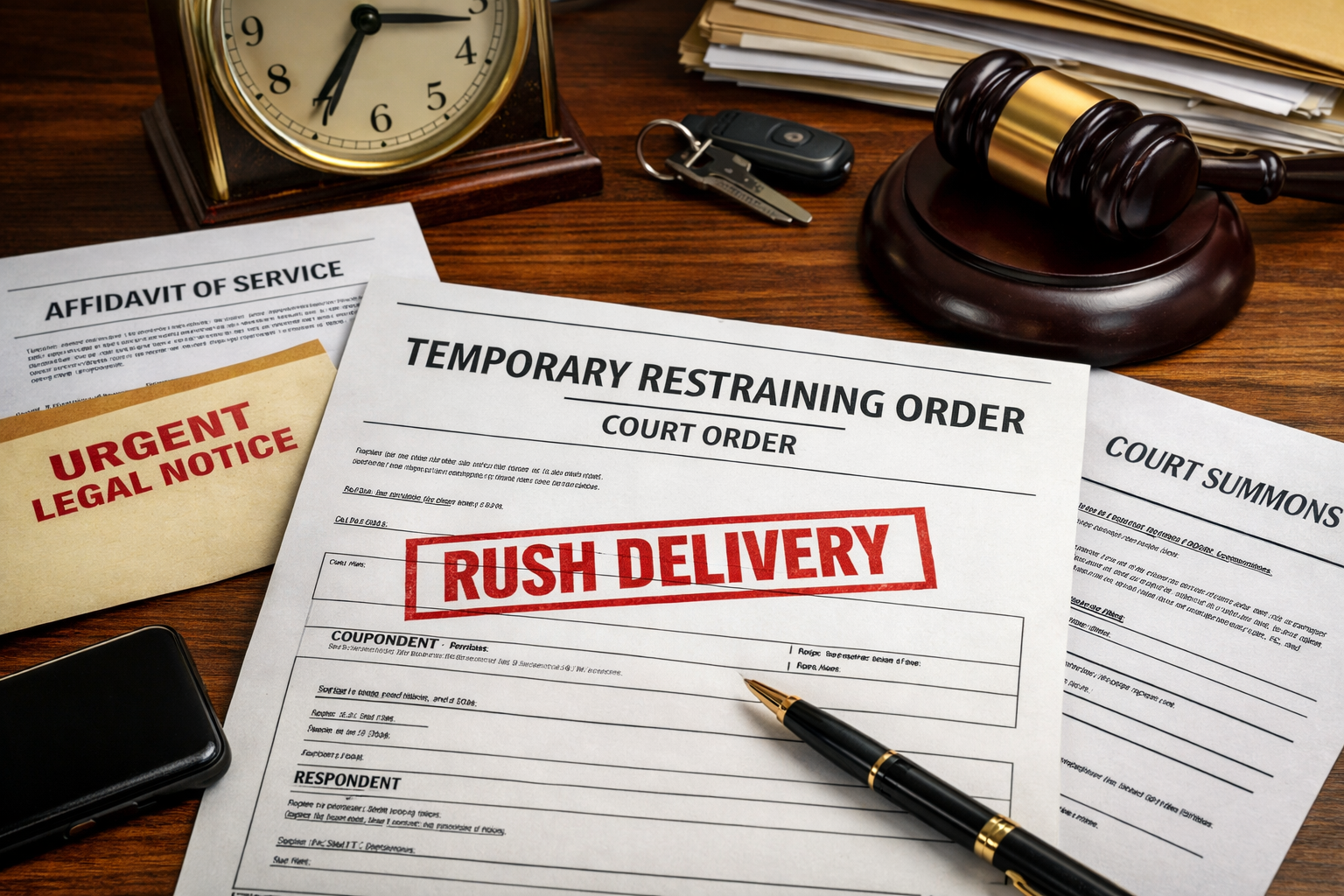
Service timelines vary by urgency and availability. Typically, standard service takes three to five business days. Meanwhile, rush service often takes twenty-four to forty-eight hours, and same-day service may be possible in urgent situations.
In small claims matters, courts often set specific deadlines tied to the hearing date. Therefore, if you miss the deadline, the court may postpone the hearing or dismiss the case.
Common Mistakes in Civil & Small Claims Service
Self-represented plaintiffs often run into avoidable issues. For example, they try to serve papers themselves, use an ineligible server, pick the wrong service method, miss deadlines, or submit an incomplete Proof of Service. As a result, the court may reject the paperwork or require re-service.
Because these mistakes waste time and filing fees, a clear plan and correct documentation matter from the beginning.
Why Small Law Firms Use Professional Process Servers
Small firms use professional process servers to keep timelines predictable and documentation defensible. In addition, professional service reduces administrative burden and lowers the risk of service disputes. Therefore, attorneys can focus on strategy and advocacy instead of logistics.
Proof of Service: The Document Courts Care About Most
The court relies on Proof of Service to confirm when service occurred, how the server completed it, and who performed it. Therefore, an accurate Proof of Service often determines whether the case can proceed on schedule.
If the Proof of Service is missing or incorrect, the clerk or judge may refuse to move the case forward. As a result, accuracy is non-negotiable.
Frequently Asked Questions
Can I serve papers myself in California?
No. If you are a party to the case, you cannot serve your own documents. Instead, you must use a neutral third party who meets California requirements.
Is a professional process server required?
No. However, professional service is strongly recommended because it reduces errors and helps you avoid delays and re-service.
Can service be challenged?
Yes. Defendants often challenge improper service, especially in civil cases. Therefore, correct method selection and accurate documentation matter.
Are service rules the same statewide?
Yes, California’s service rules apply statewide. However, local court procedures may vary slightly, so you should confirm any local filing expectations.
Final Thoughts: Education Prevents Delays
When you understand civil and small claims service rules in California, you reduce mistakes and keep the case moving. In addition, you protect your filing timeline and avoid unnecessary re-service.
Proper service is not a formality. Instead, it is the procedural foundation of every civil case.
Need Help with Civil or Small Claims Service?
For individuals, we provide clear, compliant service without confusion. For small law firms, we provide reliable service you can confidently file. As a result, you maintain procedural control and reduce delays.
Civil process serving in California works best when accuracy comes first.